
If you decide to stay at your home during a fire, you need to be well prepared. Even a well-prepared home can be destroyed by a bushfire. Most structures are not designed to withstand fires in Catastrophic fire conditions. Only consider staying to defend on Extreme Fire Danger Rating days if you are well prepared.
Defending your home through a bushfire requires at least two adults who are mentally and physically ready with a plan. You need to make sure you have enough water, protective clothing, and firefighting pumps and hoses. Survival must be your number one goal; your home can be replaced.
If you’re not sure you can defend your home, you should leave early.
Your decisions
You need to make a Bushfire Survival Plan so everyone knows what to do.
Think about:
- How to stay informed about warnings and updates.
- If your home is able to withstand the impact of a bushfire.
- How you could improve your home preparedness.
- If you have any experience with or knowledge of defending a property during a bushfire.
- If you have the tools you need to defend your home, and know how to use them.
- If you have an independent water supply. Do not plan to rely on mains water.
- How many people will be defending the property?
- It is unsafe to defend a property on your own - if you are injured you may not be able to seek medical assistance and there may be too many locations that need attention for just one person.
- Do you or your family members have any disabilities or medical conditions that you need to take care of?
- Will someone else be responsible for looking after others (young, elderly, or disabled)?
- If you are defending the property, someone else needs to be available to supervise or help dependants.
- Think about evacuating children and the elderly who are more vulnerable to heat stress.
- Is there anyone outside your neighbourhood that you need to help or check up on?
- What are you going to do with your pets or livestock? Will you have someone dedicated to looking after your animals so that you can focus on defending your home?
- What will you do if it’s too dangerous to stay? Where will you go? Do you have any family or friends you can stay with? What will you take? Make sure you have a backup plan.
- Do you have a bushfire survival kit?
What to expect
A bushfire is a terrifying and stressful experience. Understanding what to expect and planning what you will do will help you cope.
- It will be hot and dark. The sky may turn orange.
- Strong gusty winds and intense heat will make you tired quickly.
- Thick, heavy smoke will sting your eyes, and will make it hard to breathe.
- Strong winds will push you around.
- The roaring sound of the wind and fire approaching will make it hard to hear.
- Embers will rain down causing spot fires all around you.
- Power, water and internet may be cut off.
- You could be isolated.
- You might hear explosions nearby.
- While the fire front may pass quickly, it could be hours before the danger is over and you can rest.
- Do not expect a fire truck to defend your home.
On days when the fire danger rating is Extreme or Catastrophic, a bushfire can be uncontrollable, unpredictable, and fast moving. Leaving is the only option for your survival.
Before the fire front arrives
If you choose or are forced to stay at your property, it is essential you are prepared for the oncoming bushfire. Plan to have no more than 30 minutes before the fire hits after hearing about a fire in your area. Bushfires can travel extremely fast and hit without warning.
Do these tasks well before there are any signs of fire.
- Make sure vehicles have sufficient fuel and move them to a safe location.
- Move garden furniture, door mats and other outdoor items inside.
- Block downpipes at the top and fill gutters with water if possible.
- Wet down the sides of buildings, decks and plants close to your home in the likely path of the bushfire.
- Move animals and livestock to a well-grazed or ploughed area.
- Turn on garden sprinklers for 30 minutes before you leave to soak the ground.
- Close windows, doors, and vents. Shut blinds.
- Take down curtains and move furniture away from windows.
- Seal gaps under doors and windows with wet towels.
- Fill containers with water, e.g. sinks, bathtub, buckets, bins.
- Bring pets inside, contain them in one room and provide them with plenty of water.
- Tune in to warnings to monitor local radio, websites or social media for updates.
- Put on protective clothing.
- Drink lots of water to stay hydrated.
- Gather your firefighting equipment.
As the fire front arrives
Extinguish any falling embers outdoors as best you can. When it gets too hot you will need to go inside to protect yourself from radiant heat. The skin on your ears and hands will alert you that radiant heat has become too hot to survive outside.
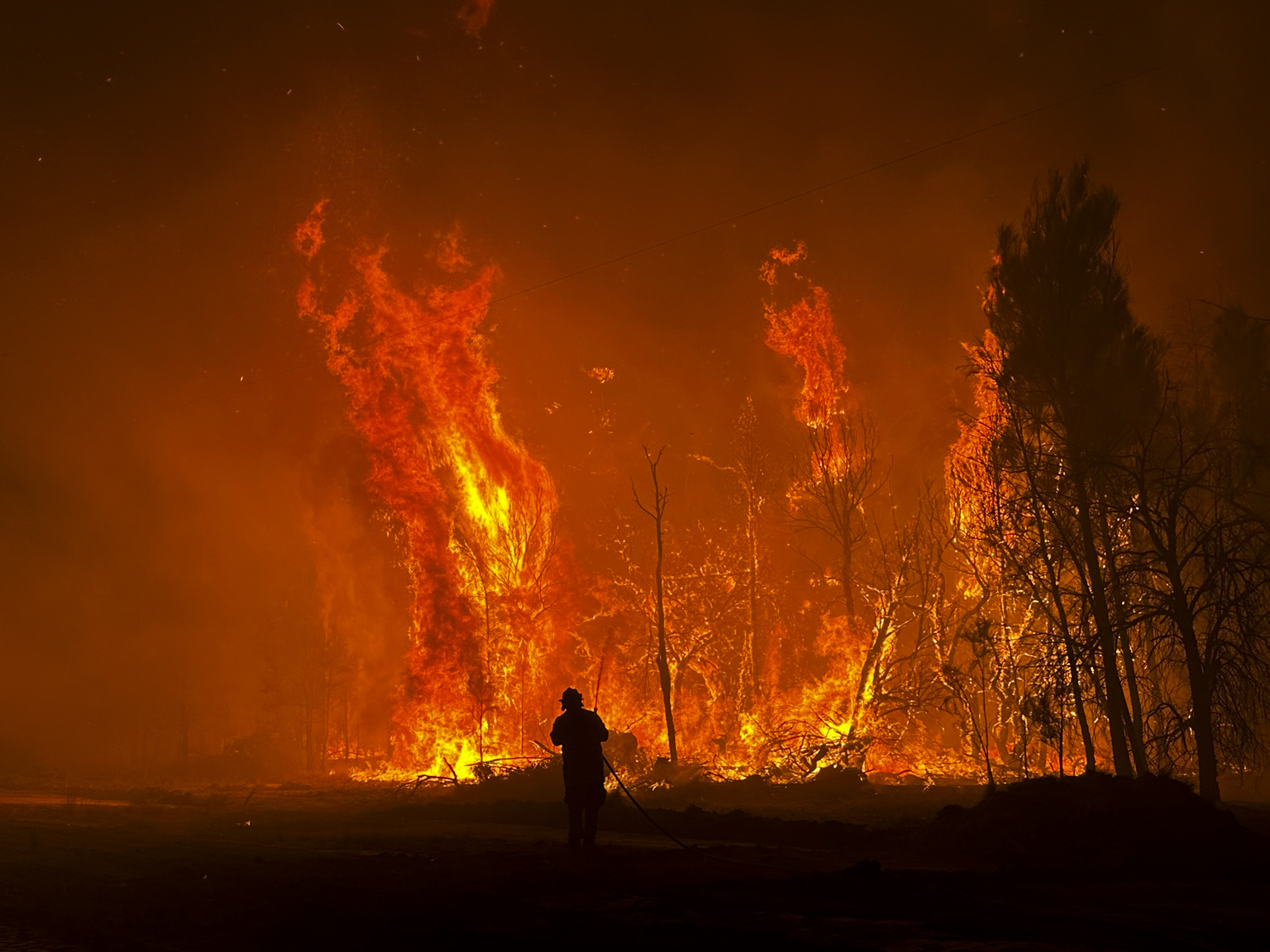
Expect to stay inside for at least 20-30 minutes as the fire front passes.
- Disconnect hose and fittings and bring inside.
- Go inside for shelter.
- Drink lots of water.
- Shelter in your house on the opposite side from the approaching fire, in a room with multiple escape points.
- Patrol and check for embers inside, particularly in the roof space.
- Check on family and pets.
- Maintain a means of escape.
- Continually monitor conditions.
- Stay tuned to information channels.
- Turn on your external sprinkler system (if you have one).
After the fire front passes
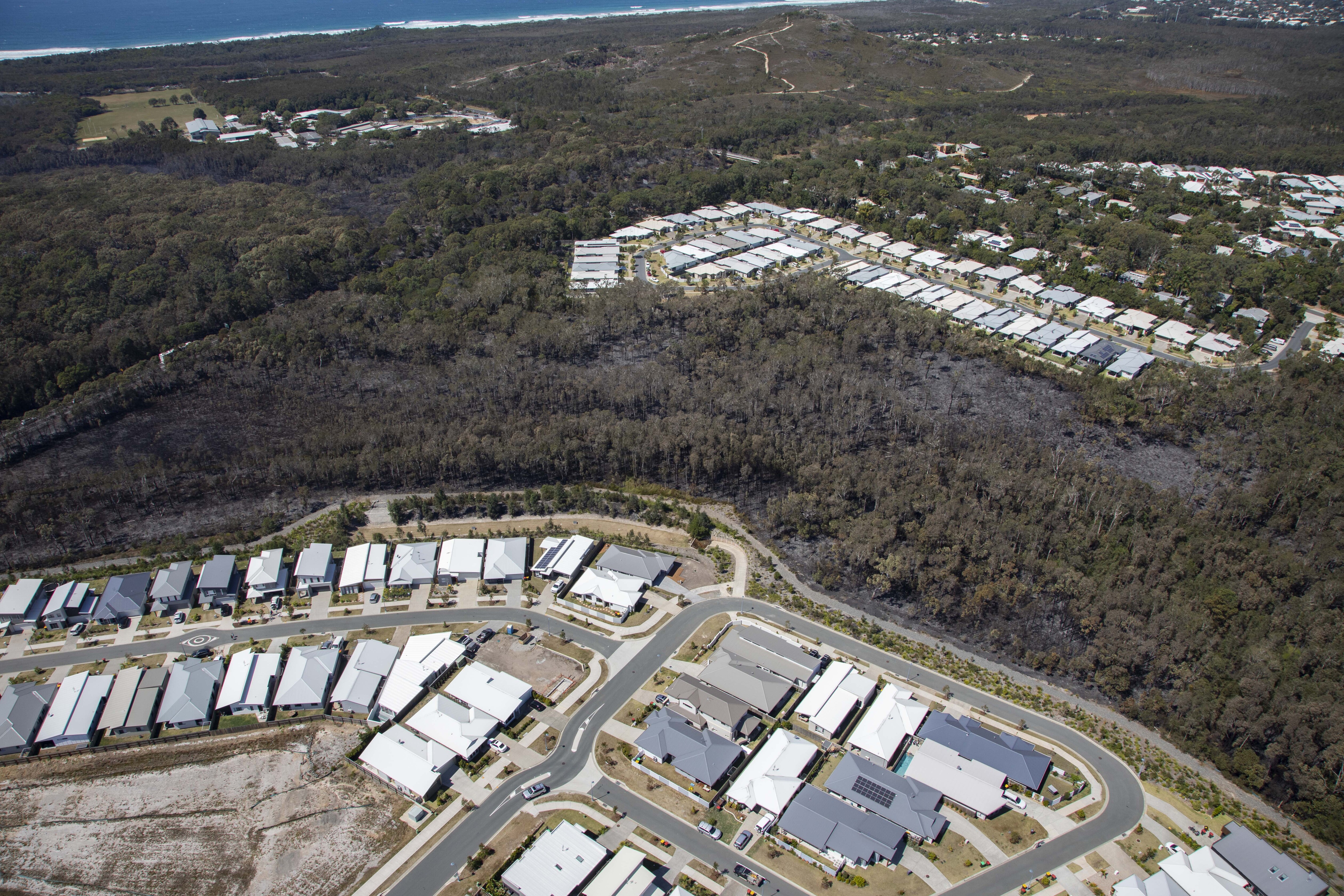
Be very cautious about going outside. Depending on what is burning, the radiant heat could be very high and potentially fatal. Note that large trees can continue to burn for many hours after the fire has passed.
- Stay tuned to information channels.
- Contact friends and family to tell them you are safe.
- Continue to check for small spot fires and burning embers:
- Inside your roof space.
- Under the house.
- On verandahs and decks.
- In roof lines and gutters.
- Under floor boards.
- In wood piles.
- In garden beds.
- Continue to drink lots of water and monitor for signs of heat stress (cramps, fatigue, dizziness).
- Call Triple Zero (000) if someone is badly affected by heat stress or heat stroke.
If you get trapped in a burning house
If your house catches fire while you are in it, you need to act quickly.
- Close the door to the room that is on fire.
- Move to the other end of the house, closing doors behind you.
- Keep low to the ground to avoid breathing in smoke.
- Do not get trapped in a room without an alternate exit. Never shelter in a bathroom.
- Move outside to burnt ground as soon as possible.
- Take shelter in another building if it is too hot outside.
- Drink lots of water to stay hydrated.
Back up plan
Bushfires are unpredictable and plans can fail. A backup plan with other options may save your life.
Think about:
- What will you do if you are away from home (work, school, shopping)?
- What if your pet is scared and you cannot find them?
- What if you are home alone?
- What if you have guests staying with you?
- What if your travel route is cut off?
- What if you are trapped in your home?
- Where to go if you had planned to stay but it is now unsafe and you need to leave?
- Is there a Neighbourhood Safer Place that you could use as a last resport?
Firefighting equipment you'll need
If you choose to stay or are unable to leave in time you need to have supplies to extinguish small fires and provide basic protection from heat, smoke, and flames. Make sure you have enough supplies for everyone staying.
- Protective clothing:
- Jeans or long pants (natural fibres)
- Long sleeve shirt (natural fibres)
- Hat (wide brimmed)
- Safety glasses
- Smoke mask
- Leather gloves
- Boots.
- Drinking water
- First aid kit
- Wool blankets
- Bucket
- Fire extinguishers
- Hoses and spare fittings
- Backpack sprayer
- Ladder
- Mop
- Shovel
- Towels
- Mobile phone and charger
- Battery powered Radio, torch, and spare batteries
Water supplies
To defend your property you will need at minimum 10,000 litres water on an independent supply.
- Do not rely on mains water for firefighting.
- Consider installing a water tank specifically for firefighting, made from galvanised iron on concrete to protect from the heat of a bushfire.
- If you have plastic tanks, think about building a heat barrier wall or installing a below-ground tank.
- Make sure your tanks are installed close to the buildings you plan to protect.
- Think about other places to store water around your property like drums, troughs, ponds, and bins.
- Make sure your tanks are piped to avoid fire damage and allow connection to firefighting equipment (50mm male camlock fitting with shut-off valve).
Water pumps
If you rely on tank water with an electric pump, you will lose access if the power shuts off.
- Install an electric pump with a generator or a petrol/diesel pump for continued supply.
- Make sure your pump housing is protected from radiant heat, ember attack and the fire front.
Hoses
Your hoses need to reach all the way around your home and any structures you are planning to protect.
- Buy fire-resistant hoses.
- Choose metal hose connections to prevent melting during a fire.
- Think about attaching a firefighting hose connection to your washing machine tap so you can use the hose inside if necessary.
- Keep spare hose fittings and know how to replace them.
- Keep a supply of hose bandages for temporary hose repairs.
Create your Bushfire Survival Plan
Make your Bushfire Survival Plan so everyone will know what to do in the event of a bushfire.
Learn more