
Bushfires in Queensland can happen at any time of the year. There is a higher chance of bushfire between July and October, but they can occur through to February.
Changes in Queensland’s climate means longer bushfire risk periods that include higher temperatures with more frequent hot days, and increased fire danger across the state.
Do you live in a bushfire prone area?
The QFD uses local information such as plant (vegetation) types, the landscape (or topography), and soil moisture levels to assess the chance of a bushfire starting in an area.
Use the Postcode Checker map to see the bushfire risk for your area.
Is your property at risk?
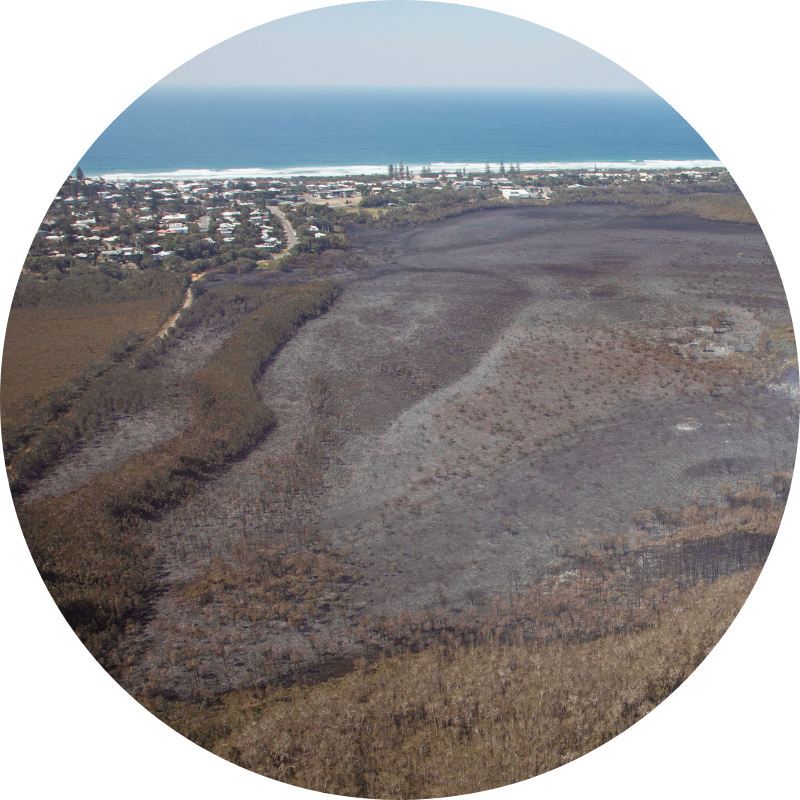
You don’t have to live in the bush to be at risk, just close enough to be affected by burning material, embers, and smoke.
Do you:
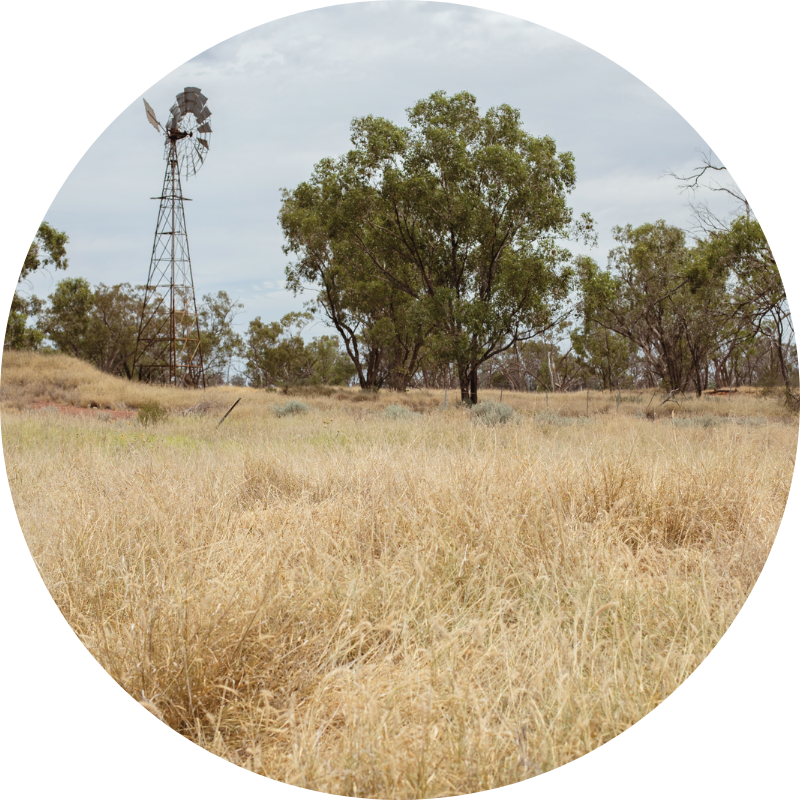
- Live within a few kilometres of bushland, grassland, scrub or forest?
- Have a history of bushfire in your local area?
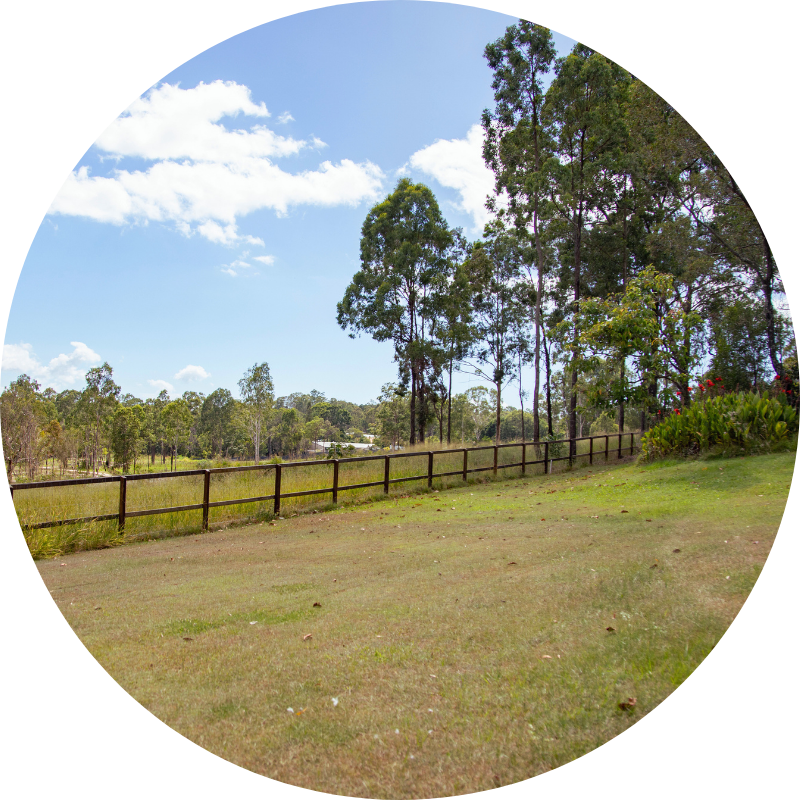
- Have trees and shrubs within 20 metres of your home?
- Live along the coast near scrub?
- Live on a farm or near paddocks?
- Travel through the bush to get to town, work, or school?
If you answer yes to any of the questions below your property is at risk of bushfire.
If you’re unsure about your level of risk call 13QGOV (13 74 68) to book a Property Advice Visit.
Fire isn’t the only risk
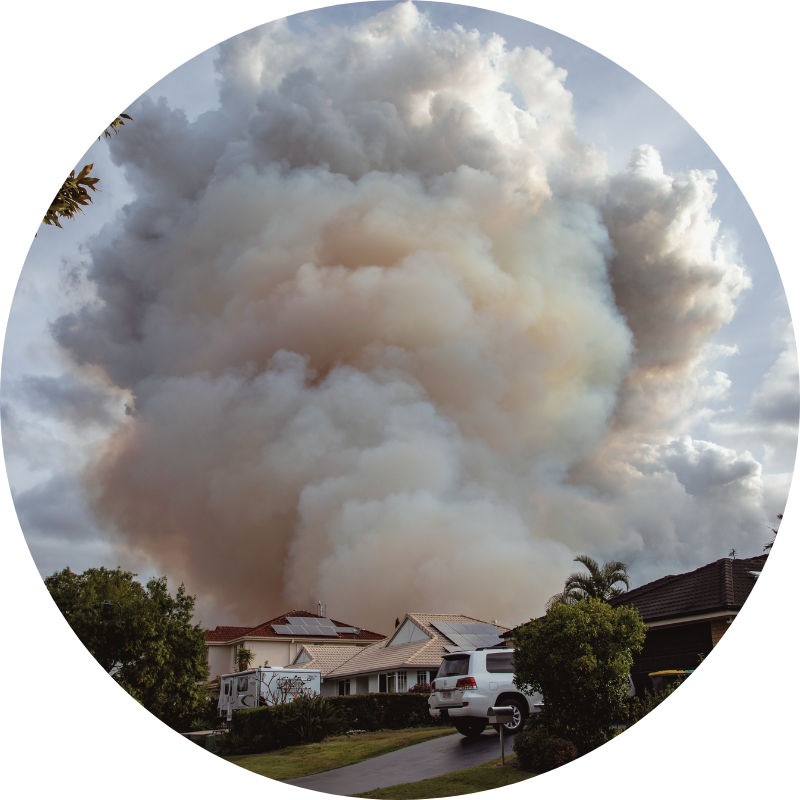
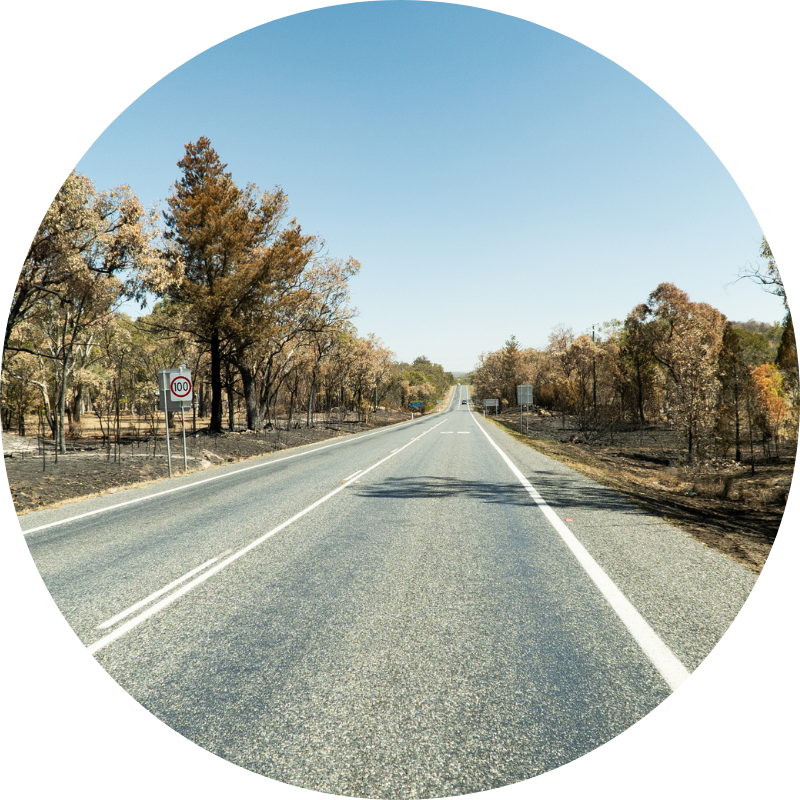
Bushfires can cause serious damage to property and infrastructure and are threat to human life. But the fire front is only one part of the danger. Embers, radiant heat, and smoke can be just as dangerous.
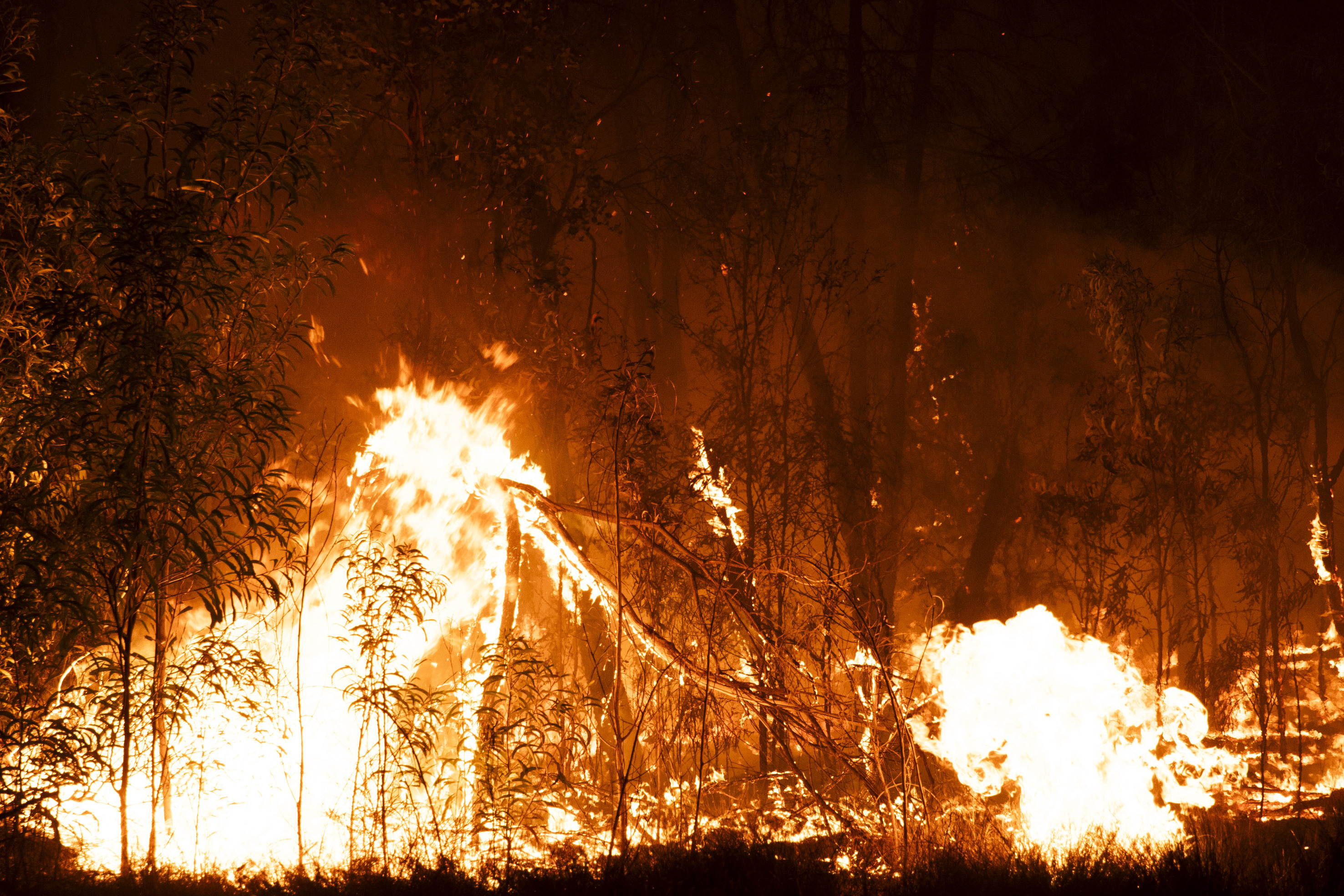
- Fire embers are small pieces of burning bark, leaves and twigs that are caught in the wind and travel many kilometres from where the bushfire is burning. They cause spot fires to start.
- Ember attack is the most common way houses catch fire during bushfires. Embers land on leaf and twig debris in roofs and gutters.
- Ember attack can happen before, during and after the bushfire has passed.
- The radiant heat from a large bushfire can be felt more than 100 metres away.
- It can melt or crack objects such as glass windows, allowing embers into buildings and vehicles.
- Radiant heat can be deadly to people and animals, causing dehydration and heatstroke. Young children and the elderly are particularly at risk. To protect from radiant heat:
- Cover up exposed skin.
- Move as far away from the oncoming fire as possible.
- Get behind a solid object.
- Stay away from glass windows and doors.
- Toxic fumes and heavy smoke from bushfires can make seeing and breathing difficult.
- Smoke can be very dangerous for people with pre-existing respiratory conditions.
Know your risk and be prepared
Even if you're not in a high risk area, you should still be prepared for bushfires.
Make a bushfire survival plan and talk about it
It’s important to have a bushfire survival plan so you know exactly what to do to protect yourself, your family, and your home in case there is a bushfire.
Prepare your home
An unprepared property is not only at risk itself, but may also present an increased danger for neighbours. Reduce your risk by removing anything flammable from around your home and fence line.
Stay informed during times of heightened bushfire risk
Pay attention to your local radio and TV stations, monitor fire danger ratings, and check for fire bans on days with increased fire danger. This will help you plan your day and avoid areas where there is an increased risk of bushfire.

Watch for the Warnings
All Queenslanders should be familiar with the official Bushfire Warning levels.

Leave early or stay and defend?
If a bushfire is threatening your home or property, it’s too late to think about what you and your family will do and where you will go.
Create your Bushfire Survival Plan
Make your Bushfire Survival Plan so everyone will know what to do in the event of a bushfire.
Learn more