
Fire embers can travel kilometres during a bushfire, putting your property at risk long before flames reach your house.
Prepare yourself and your property regularly, even if you’ve never been impacted by fire.
Prepare your home
Early preparation is important, as a well prepared home is easier to defend and reduces the risk to surrounding properties.
Around your home
- Replace or treat flammable external walls.
- Brick, aluminium, fibre cement, and concrete are compliant with Australian Standard AS3959 Construction of Buildings in Bushfire-Prone Areas.
- Replace flammable window trim with non-flammable options.
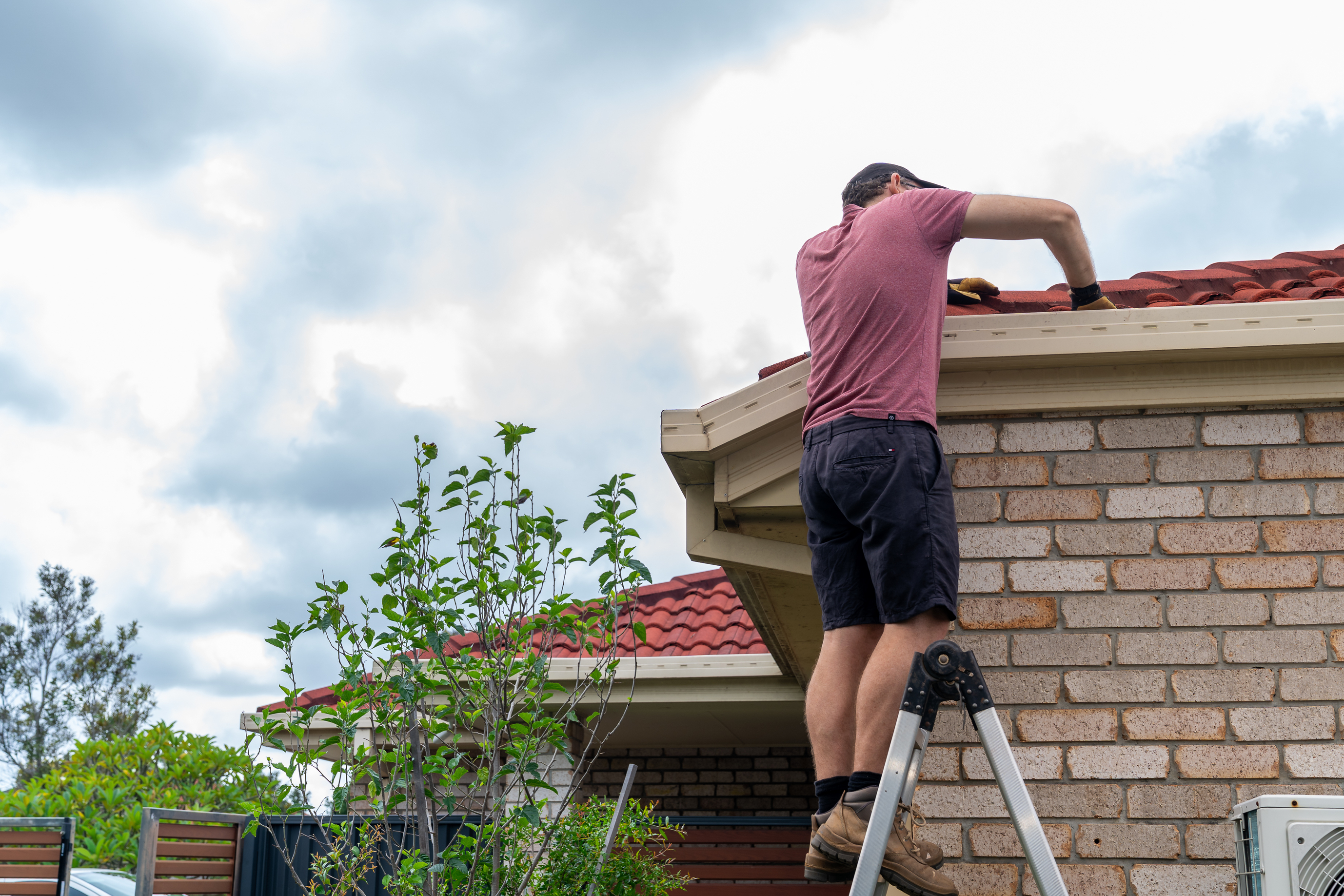
- Clean gutters and roof of leaves, twigs, and rubbish. Think about installing metal gutter guards.
- Close in the open areas under decks and floors.
- Close in eaves (roof overhang) with fire resistant material.
- Seal gaps in external roof and cladding.
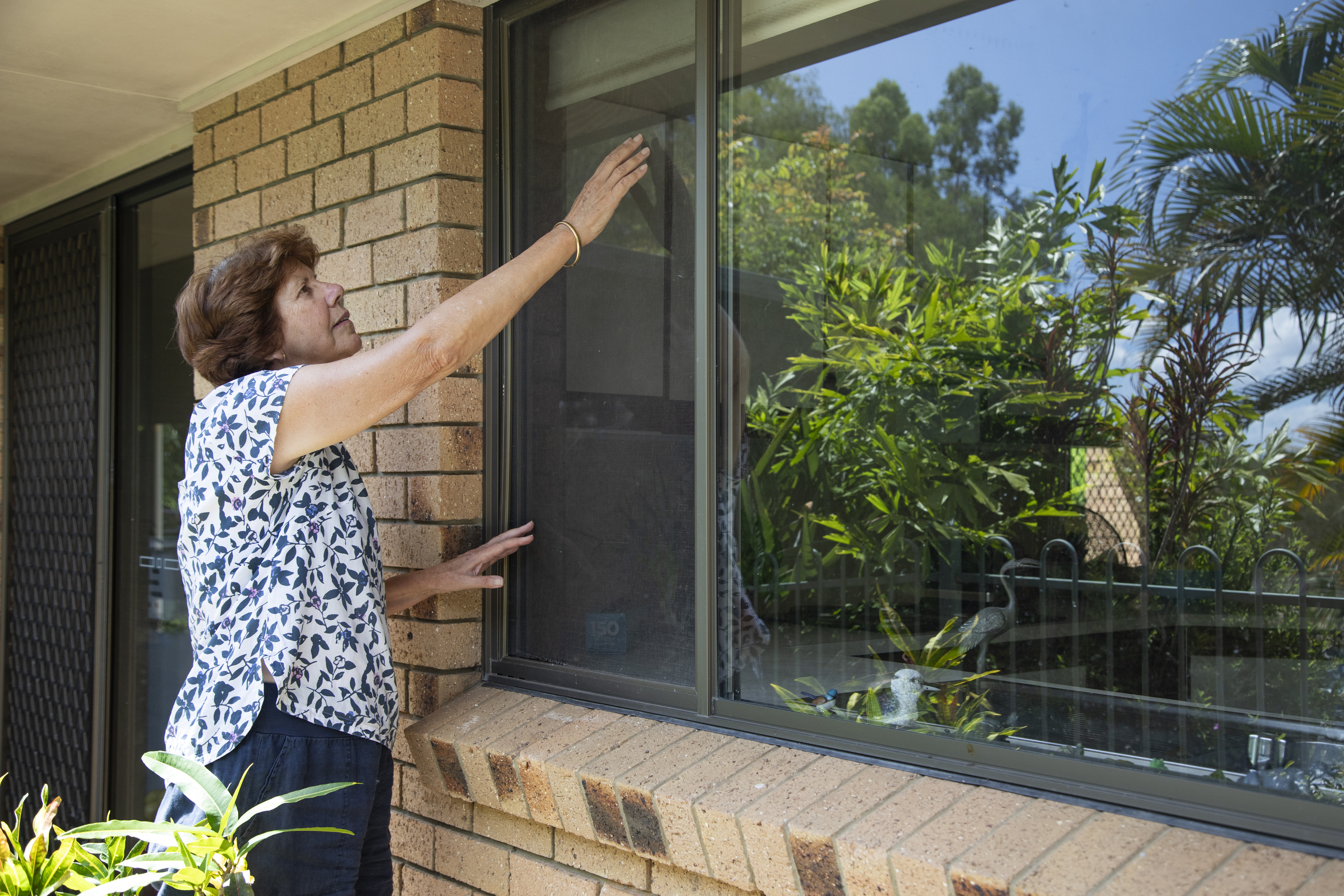
- Install steel wire mesh screens on windows, doors, vents, and weep holes.
- Point LPG cylinder relief valves away from your house.
- Check and maintain firefighting pumps, generators, and water systems.
- Remove flammable items away from your home (woodpiles, mulch, boxes, hanging baskets, and outdoor furniture).
- Store fuels and chemicals away from your home.
- Consider installing an external sprinkler system with metal fittings. For more information, see Australian Standard AS 5414:2012 Bushfire water spray systems.
Around your yard
- Trim trees, bushes, and grass along access paths and near your home.
- Keep grass areas mown.
- Remove flammable materials like long dry grass, dead leaves, and branches.
- Remove flammable mulch from within 10 metres of your home.
- Trim trees around your home to create a clearance of two metres from the ground.
- If you plan to burn vegetation, you may need a Permit to Light Fire.
Find out more about Queensland Government landholder vegetation clearing for bushfire management including fire breaks and hazard reduction burns.
Property access![]()
- Display house number at road.
- Make sure there is clear space for fire trucks to access your home (at least four metres wide and high with turn-around area) by trimming trees.
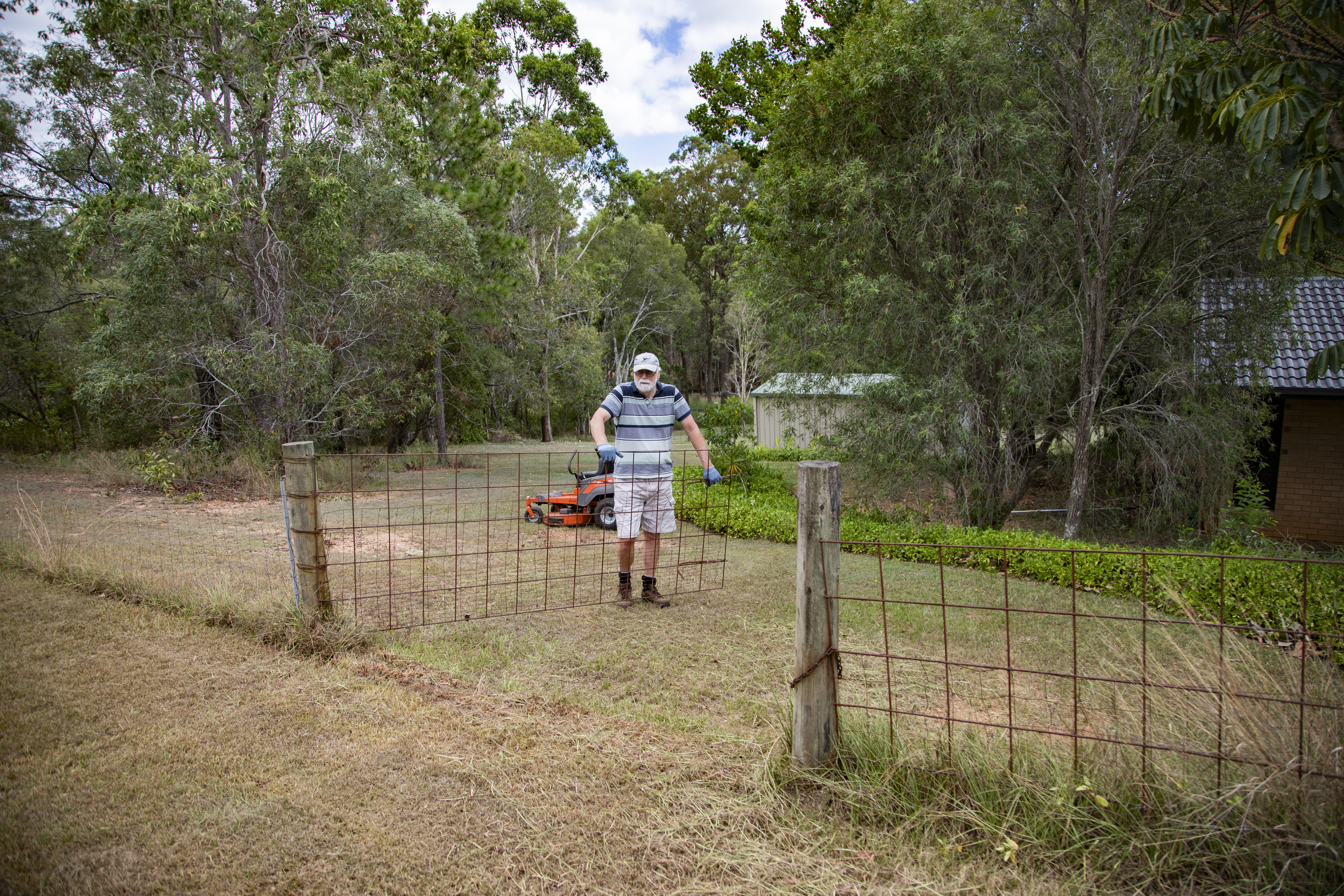
- Make sure gates to your home can be opened without restrictions to allow firefighters access.
- Make sure cattle grids and bridges are suitable for heavy vehicle access.
- Think about setting up an alternate way out for vehicles.
Prepare yourself and your family
Planning ahead helps everyone know what to do and act quickly if a bushfire threatens.
Make your Bushfire Survival Plan
To help your household prepare for bushfire, make a Bushfire Survival Plan. A plan helps you make important decisions ahead of time, including when to leave, what to take and how to manage pets and livestock.
Leaving early is always the safest option.
Pack your bushfire evacuation kit
If a bushfire is threatening your home or property, it’s too late to think about what you and your family will do. Prepare a bushfire evacuation kit before it's too late.
Prepare your pets and livestock
- Include your pets and livestock in your bushfire survival plan or make a pet emergency plan.
- Make a pet emergency kit.
- Practice your survival plan with your pets.
Find out more from the RSPCA.
Emergency numbers:
- RSPCA 24/7 Emergency Hotline – 1300 ANIMAL (1300 264 645)
- RSPCA QLD Lost & Found – 1300 363 736
- Department of Primary Industries – 132 523 (For displaced or stranded livestock)
- Department of Environment, Tourism, Science and Innovation – phone 1300 130 372 (wildlife)
Know your 'Safer Place'
A Neighbourhood Safer Place is an identified local open space, clearing or building where people can gather for temporary protection from a bushfire. Neighbourhood Safer Places are places of last resort; they may save your life, but they do not guarantee safety.


Leave early or stay and defend?
If a bushfire is threatening your home or property, it’s too late to think about what you and your family will do and where you will go.
Create your Bushfire Survival Plan
Make your Bushfire Survival Plan so everyone will know what to do in the event of a bushfire.
Learn more