
Leaving early means being away from high bushfire risk areas before there are any signs of fire and travelling by road becomes dangerous. The decisions you make now will help you be prepared in the event your home and family are impacted by bushfire.
Leaving early is always the safest option.
Your decisions
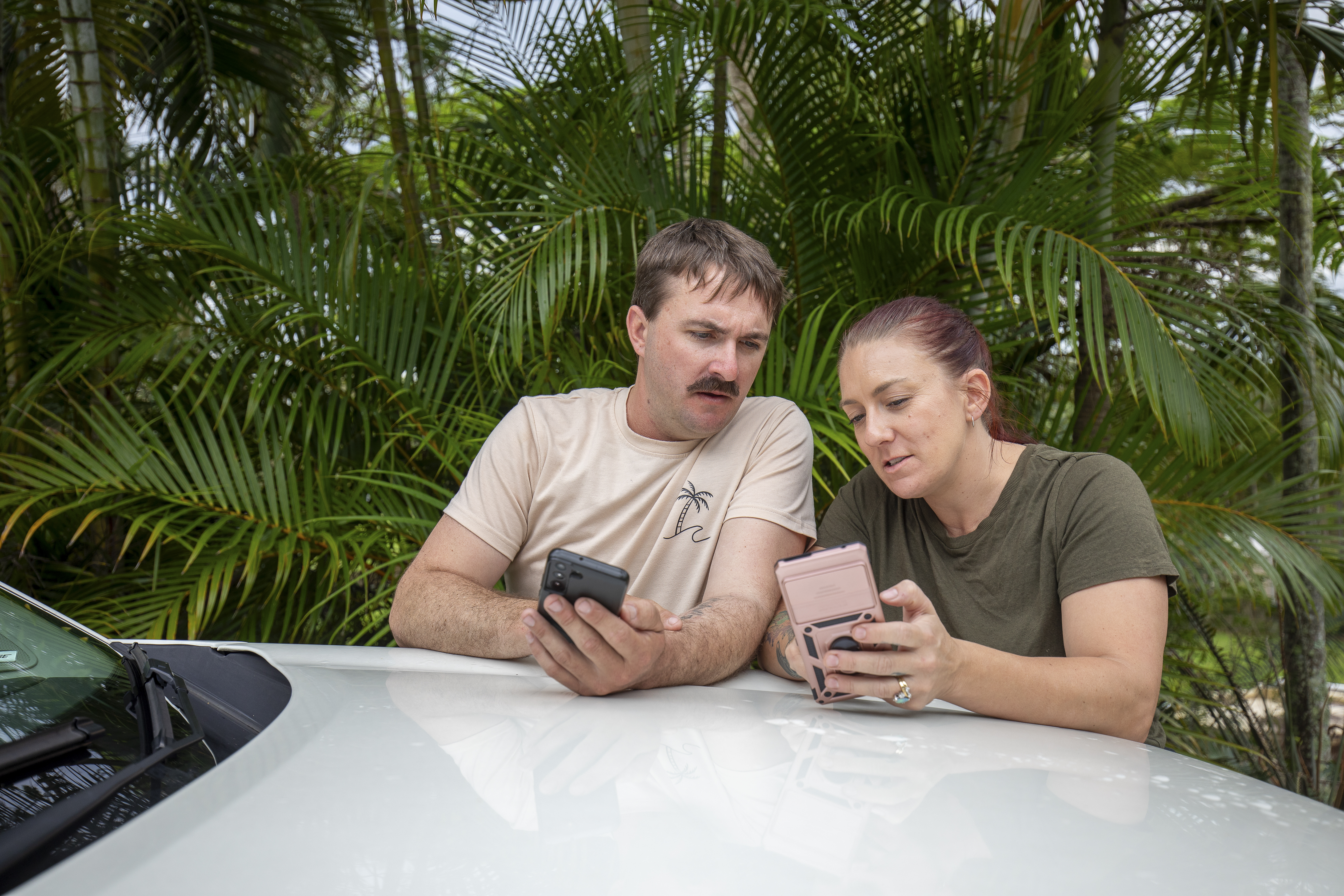
The following questions will help your family make your Leave Early Plan.
- What will be your trigger to leave? This could be days with an Extreme of Catastrophic fire danger rating, or as soon as you find out there is a fire near you.
- Do not wait for an official warning.
- Do not wait until you hear sirens.
- Do not wait until you see or smell smoke.
- Do not wait for a knock on the door.
- Will you leave early that morning or the night before?
- Do you or your family members have any disabilities or medical conditions that need to be considered?
 Where will you go?
- Decide on a suitable place to go when you leave early on a fire risk day. Can you stay with family and friends or at a hotel in a safe location? If you do not have friends or relatives in low-risk areas who you can visit, think about community facilities such as libraries, shopping centres, swimming pools or cinemas.
- Who will you tell?
- You should let your family, friends, and neighbours know where you are in case you need to be contacted.
- How will you get there? What road will you take? What is your plan if the road is blocked? What if you don’t have a working vehicle?
- What will you take with you?
- What are you going to do with your pets or livestock?
- Who else do you need to talk to about where you are going?
- How will you watch for the warnings and updates?
- Power and internet connections often go down during a bushfire.
- What are your final home preparations before you leave? Make a list of tasks.
- Have you made your bushfire evacuation kit?
- Make sure you have a backup plan.
Your bushfire evacuation kit
Your bushfire evacuation kit should have enough supplies for everyone.
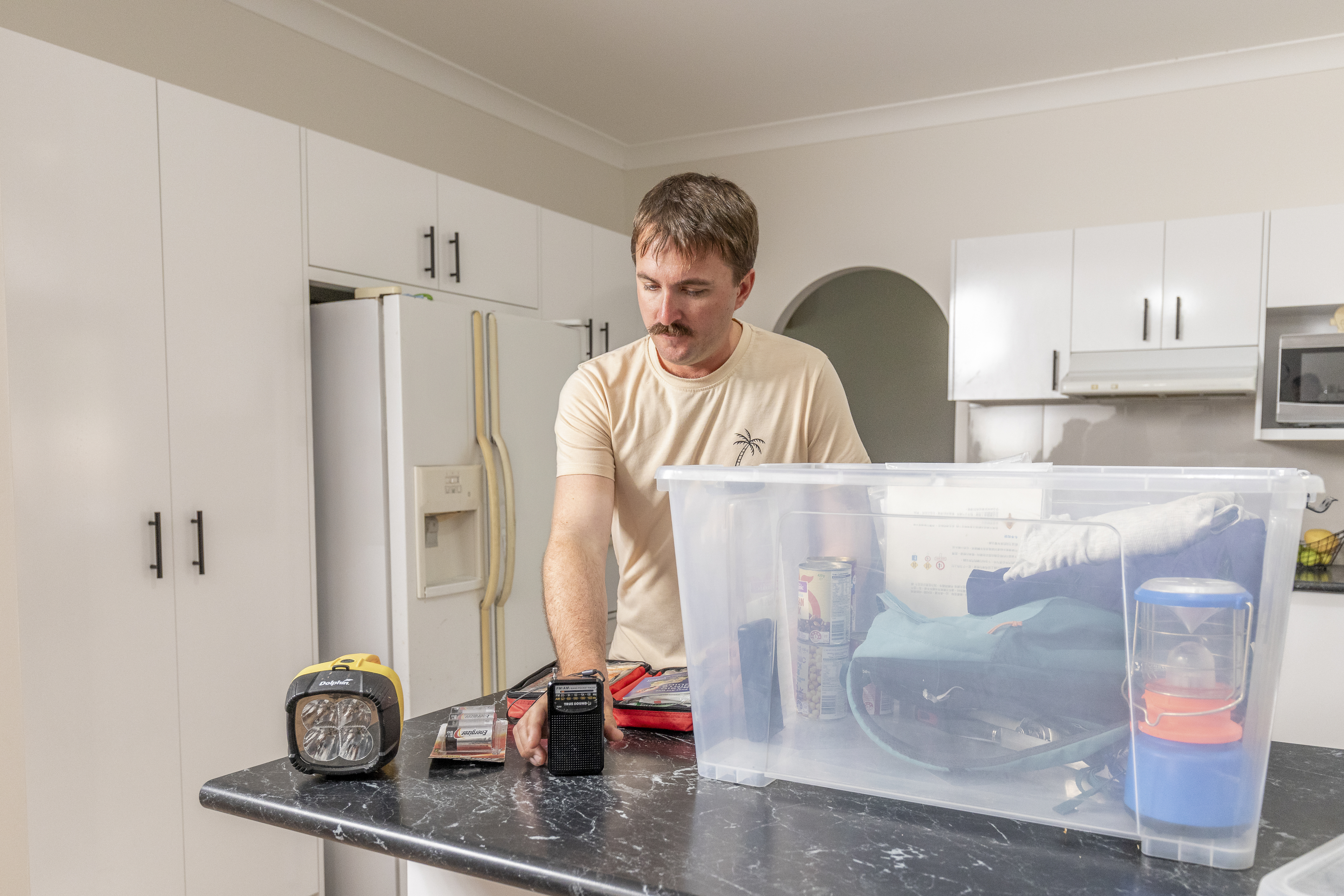
- Protective clothing for each person:
- Long sleeve shirt (made of natural fibres)
- Jeans or long pants (made of natural fibres)
- Boots
- Hat
- Safety glasses
- Drinking water and food
- First aid kit
- Medications and prescriptions
- Battery-powered radio
- Torch (battery powered or wind-up)
- Spare batteries – don’t leave batteries in your torch or radio and check them every six months
- Mobile phone and charger
- Wool blankets (for fire protection)
- Pet supplies (food, water, lead, carrier, toys).
- Important documents such as insurance and home ownership papers – consider using a USB or cloud storage for digital copies
- Drivers licenses, passports and birth certificates
- Wallets and purses
- Family photos and valuables.
Before you leave
Your property should be well-prepared for the fire, even if you intend to leave early. A well-prepared property stands a greater chance of surviving.
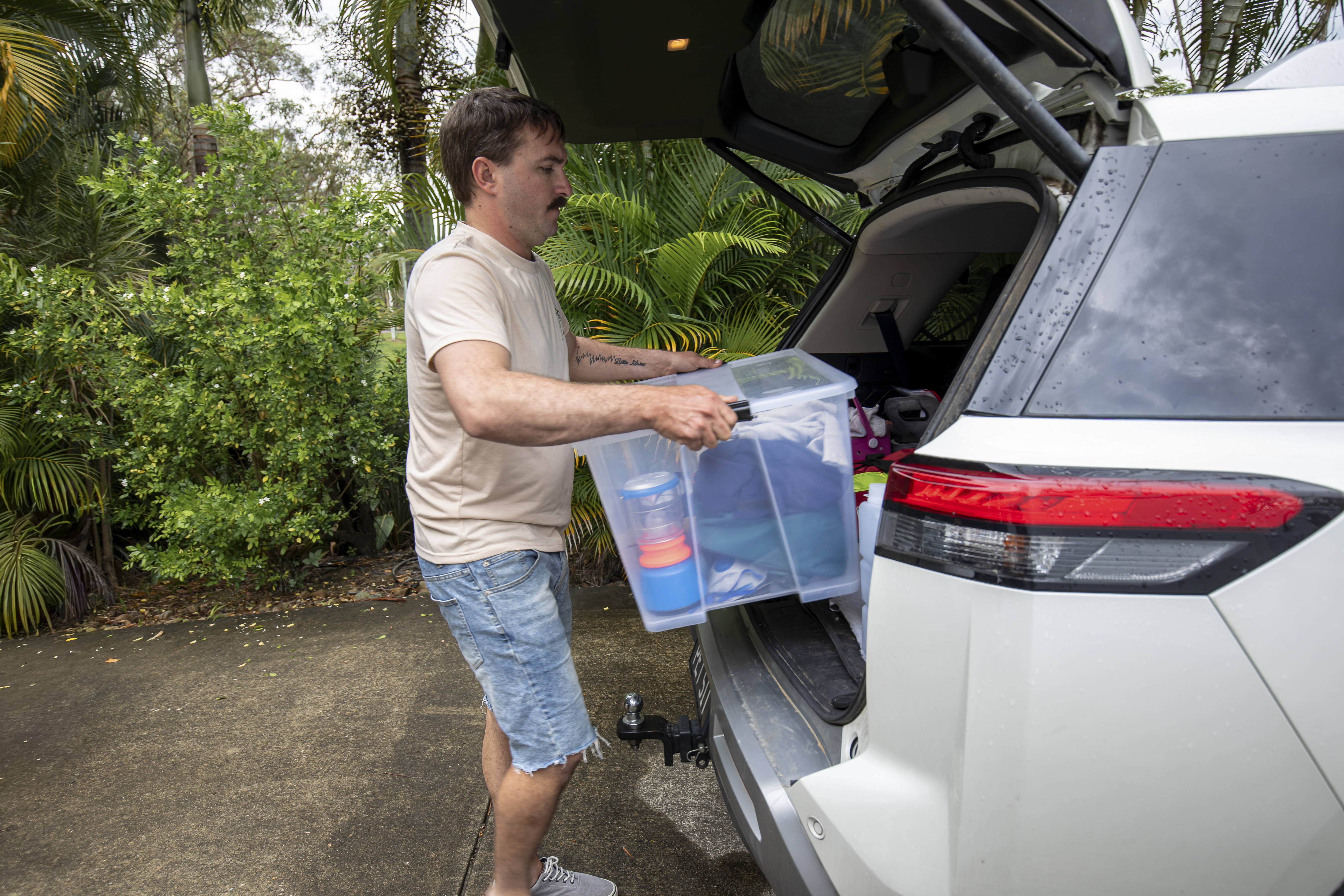
- Make sure vehicles have enough fuel and move them to a safe location.
- Pack vehicles with your evacuation kit. Don’t forget your mobile phone, wallet, food and water, and medication.
- Put on protective clothing.
- Move garden furniture, door mats and other outdoor items inside.
- Close windows, doors, and vents.
- Seal gaps under doors and windows with wet towels.
- Shut exterior blinds (if you have them).
- Block downpipes at the top and fill gutters with water if possible.
- Move animals and livestock to a well- grazed area.
- Follow your bushfire survival plan arrangements for pets.
- Tune in to warnings on local radio, websites or social media for updates.
Back up plan
Bushfires are unpredictable and plans can fail. A backup plan with other options may save your life. Think about:
- What will you do if you are away from home (work, school, shopping)?
- What if your pet is scared and you cannot find them?
- What if you are home alone?
- What if you have guests staying with you?
- What if your travel route is cut off?
- What if you are trapped in your home?
- Where to go if you had planned to stay but it is now unsafe and you need to leave?
- Is there a Neighbourhood Safer Place that you could use as a last resort?
Create your Bushfire Survival Plan
Make a survival plan, pack an evacuation kit, list your emergency contacts and know where to go.
Learn more