

Choose safe. Charge safe. Recycle safe.
What are lithium-ion batteries?
Lithium-ion batteries power many everyday rechargeable devices, such as mobile phones, laptops, vapes, power tools, e-scooters, e-bikes and electric vehicles. However, if not used, stored or disposed of correctly, these batteries can pose a serious fire risk. To keep yourself, your family, and your property safe, it’s important to understand how to handle lithium-ion batteries responsibly.
What's the difference between a lithium battery and a lithium-ion battery?
While they sound similar, lithium batteries and lithium-ion batteries are quite different – especially in how they're used and how they work.
Lithium batteries are single use batteries. Once they're drained, you dispose of them in the recommended and appropriate way as they can't be recharged. You'll often find this battery in items such as watches, cameras and remote controls.
Lithium-ion batteries are rechargeable and are found in mobile phones, laptops, e-scooters and cordless power tools. They're designed to be charged and used again many times.

Why are lithium-ion batteries a fire risk?
There were close to 300 fires sparked by lithium-ion batteries in the 2025-26 financial year.
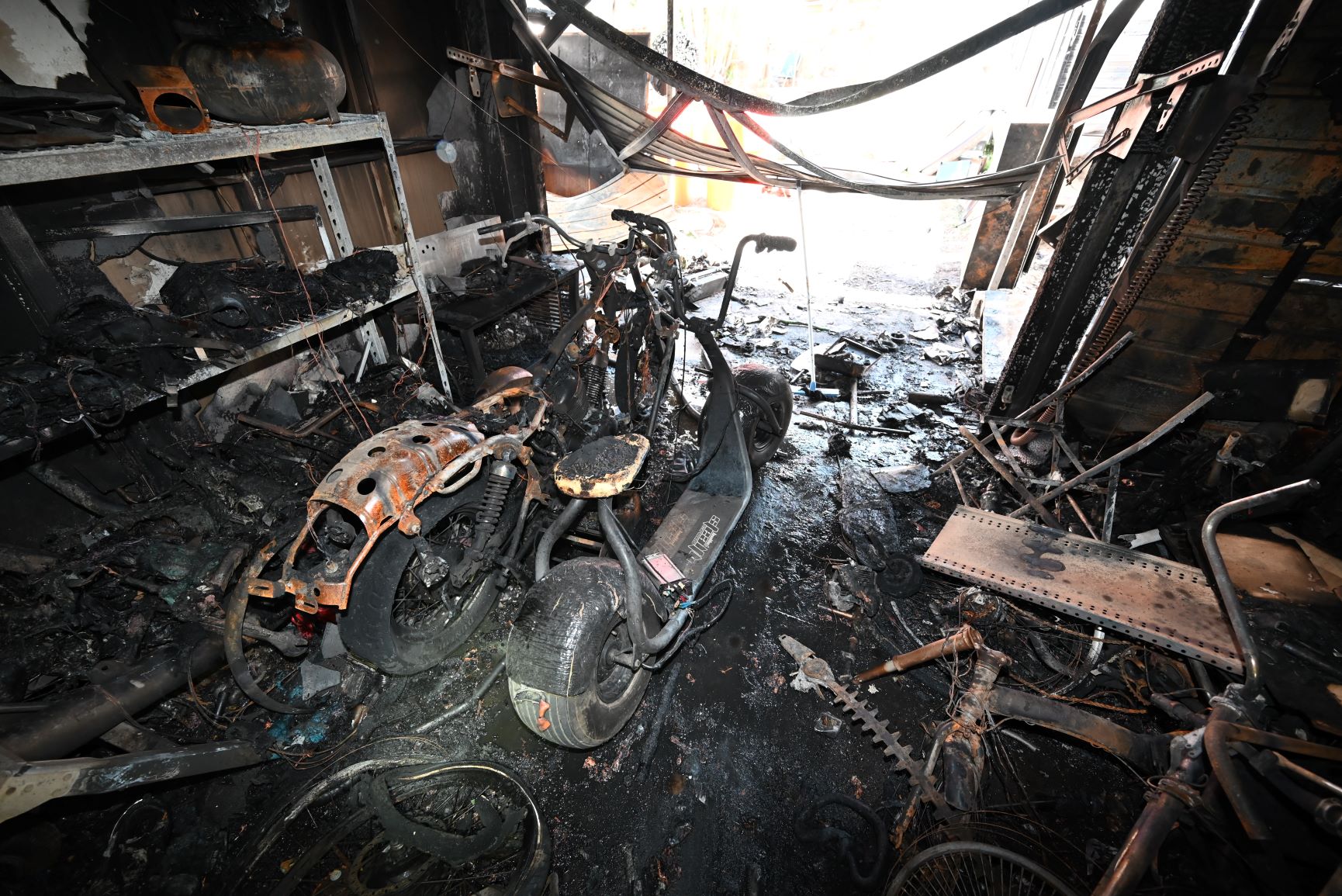
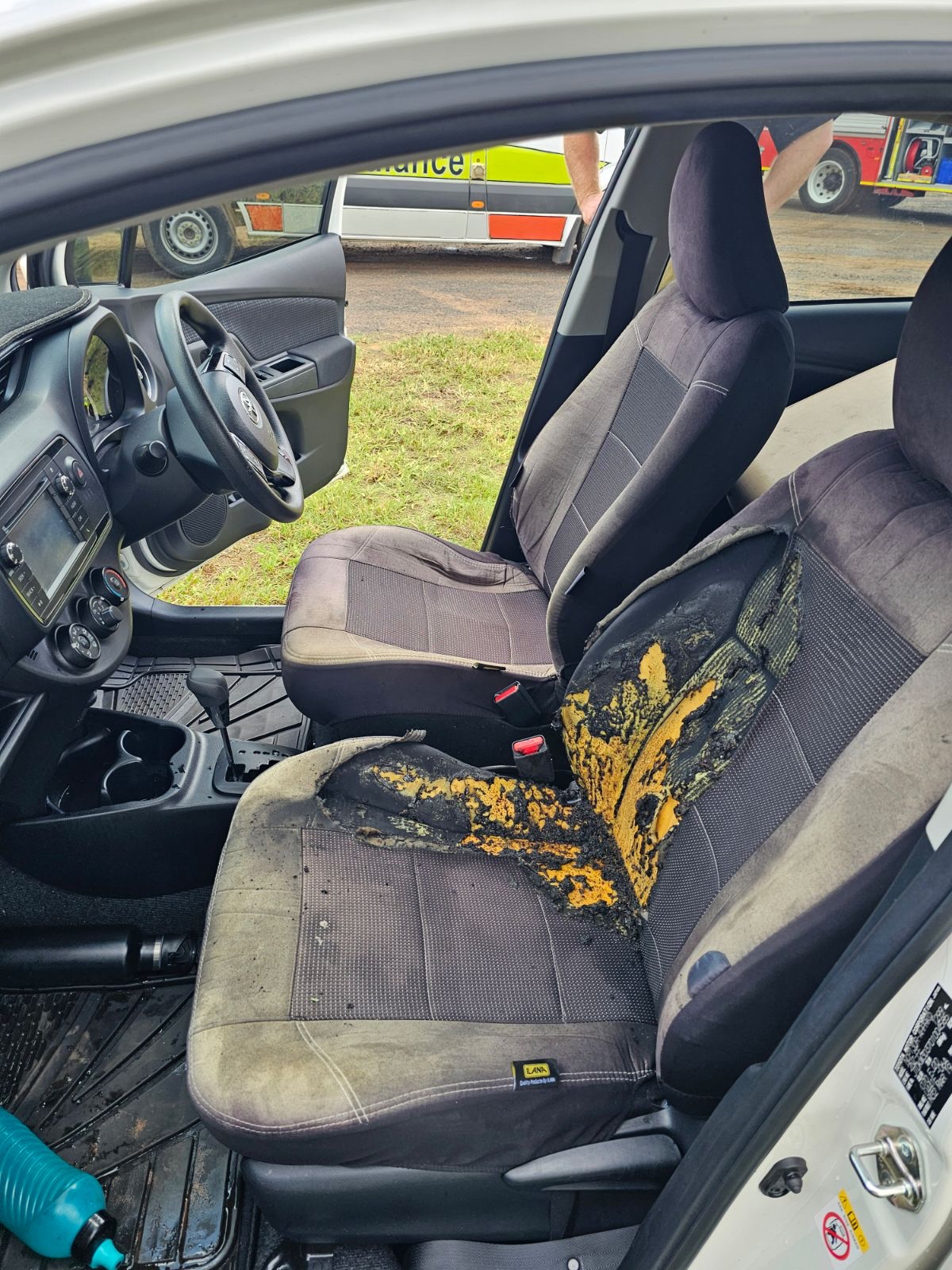
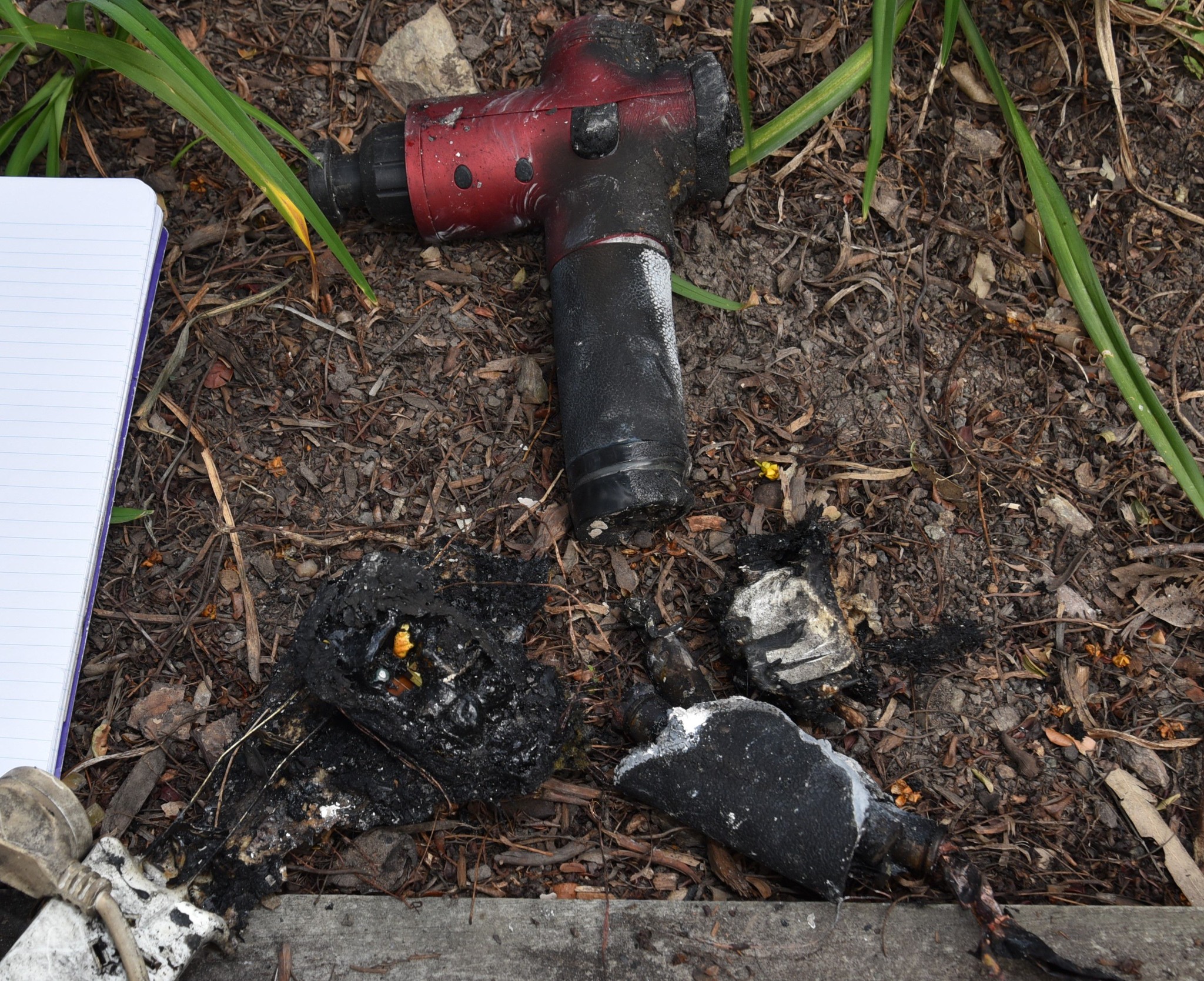
Lithium-ion batteries store large amounts of energy in less space than traditional batteries. If damaged, overcharged or faulty, they can overheat and cause a fire or even an explosion. Once a fault occurs, a fire can start suddenly and spread quickly, often with little to no warning. The battery can burst into flame within seconds and the fire can become intense and difficult to control almost immediately.
Fires involving lithium-ion batteries are particularly dangerous because they:
- release toxic and highly flammable gasses
- have a high chance of reigniting, even after being extinguished
- burn at extremely high temperatures.
Rechargeable lithium-ion battery fires can be volatile (Video courtesy of Fire and Rescue New South Wales)
Safety tips
Buying and using batteries
- Purchase quality products: only buy lithium-ion batteries and devices from reputable manufacturers. Check that the charger has the Regulatory Compliance Mark to show it meets the relevant Australian Standards.
- Avoid imitation products: cheap, low-quality batteries or chargers may lack safety features, increasing the fire risk.
- Follow the instructions: always use batteries and chargers as directed by the manufacturer. Use the charger provided by the manufacturer. Don’t mix and match chargers with devices.
Charging safely
Do:
- Always use the charger that came with the device when new (even if a charger fits, that doesn’t mean it’s compatible or safe. Refer to the manufacturer’s specifications to check if the charger is correct.)
- Always charge devices, especially e-scooters and e-bikes, in a well-ventilated area such as a garage or car port, and on a non-combustible surface (like concrete or ceramic tiles).
- Always let batteries cool down after use and before recharging.
- Charge devices when you are home.
- Charge on hard surfaces like tiles and concrete.
- Have working smoke alarms.
- Disconnect it from the charger once it is fully charged.
- Check that the charger has the Regulatory Compliance Mark
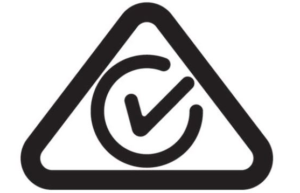 to show it has met the relevant Australian Standards.
Don't:
- Don't leave batteries or devices unattended while charging.
- Don’t charge e-scooters or e-bikes in living areas or where they can stop you from getting to an exit.
- Don’t store batteries or devices in areas where they may be exposed to heat or moisture.
- Don’t charge batteries or devices on or near soft furnishings, like bedding, lounges, carpet or curtains.
- Don’t charge or use a battery or device that is hot or showing signs of damage (swelling, bulging, cracking, leaking, making sounds like popping or hissing, or smelling unusual).
Visit the Electrical Safety Office website for more information about battery and charger safety.
Storing batteries
- Keep unused batteries in a cool, dry place away from direct sunlight, heat sources and moisture.
- Avoid dropping, puncturing or crushing batteries.
- For long term storage, ensure the battery has approximately 40 per cent charge.
How do I dispose of lithium-ion batteries?
Damaged batteries
- Contact your local council urgently to ask how these batteries should be disposed of in your local area.
- Lithium-ion batteries with any sign of damage should be treated as damaged and potentially dangerous (particularly if there has been water or liquid in the battery, or exposure to or submersion in saltwater).
- Never dispose of damaged lithium-ion batteries or devices in general household, recycling, public or industrial bins, as damaged lithium-ion batteries can cause fires.
- Do not put discarded, damaged lithium-ion batteries or devices in piles.
- Wear gloves and protective clothing and equipment when handling damaged batteries or devices.
- Be aware of the risks related to damaged lithium-ion batteries, including electric shock, secondary fire risks, and exposure to toxic, corrosive, and flammable vapours and substances.
- Fire or smoke-damaged batteries should be kept outside in a well-ventilated area and stored 10m from any other dangerous goods or materials that are combustible or flammable.
- Place leaking or damaged (but not overheated or off-gassing) batteries in a clear plastic bag or container.
- If safe to do so, damaged lithium-ion batteries may be de-energised before disposal by placing in a large bucket filled with 10 litres of water containing 1 cup of table salt (sodium chloride) for 48 hours. This should be done outdoors in a well-ventilated area.
- If you need to transport damaged lithium-ion batteries or devices refer to the ADG Code for more information on how to package them for transport.
Undamaged batteries
- Contact your local council to ask how to discard or recycle lithium-ion batteries in your area.
- Never dispose of lithium-ion batteries or devices in general household or recycling bins.
- Never dispose of lithium-ion batteries or devices in industrial bins.
- Do not put discarded lithium-ion batteries or devices in piles.
- Tape over battery terminals with electrical tape before giving them to a disposal or recycling facility.
- Many hardware stores and supermarkets host battery recycling bins, which accept many types of household batteries. Information on battery recycling and safe disposal can be found at https://www.recyclemate.com.au/ or https://bcycle.com.au/
Always call Triple Zero (000) immediately if there is fire or smoke
Fire or smoke
If your lithium-ion rechargeable device is on fire, or smoke is coming from it:
- Evacuate to a safe area and then call Triple Zero (000) immediately.
- Don’t touch a damaged battery or device – severe burns could occur.
- Don’t breathe the air around the battery or device – it will likely contain toxic vapours.
No fire or smoke
If your lithium-ion rechargeable device is creating an unusual smell or sound, developing heat, changing shape or behaving abnormally, and it is safe to do so:
- Disconnect the device from the power supply
- Move the device outside away from any other combustible items
- Submerge the battery in a bucket filled with cool water to prevent ignition or further ignitions, until emergency services arrive.
Frequently asked questions:
How do I know if my electric scooter meets standards?
Visit the Queensland Government Electrical Safety website for information on how to check if your electric scooter meets standards.
I want to know more about what the Australian Government is doing regarding Li-ion batteries?
The Australian Competition & Consumer Commission has launched a report seeking to demonstrate the importance of safe battery supply and design to support consumer confidence in the safety of Li-ion products.
Where can I recycle my Li-ion batteries?
Information on battery recycling and safe disposal can be found at https://www.recyclemate.com.au/ or https://bcycle.com.au/
Did you know?
A home fire escape plan takes minutes to create and could save you and your loved one’s lives.
New smoke alarm laws are coming January 2027 for home owner-occupiers and caravan/motorhome owners. Don’t wait until it’s too late.